

THC Gummies
Can Edibles Cause a Hangover? Here’s What You Need to Know
If you’ve ever woken up after a strong edible feeling like your brain is wrapped in a thick, slightly scratchy blanket, you’re far from alone. The body feels heavy. Thoughts move through molasses. The coffee maker gets more gratitude than it probably deserves. You didn’t drink a drop of alcohol, and you turned the lights out at a perfectly responsible hour, yet here you are — groggy, slow, and wondering if someone swapped your morning for a muted version.
TABLE OF CONTENTS
- The Morning After: What an Edibles Hangover Actually Feels Like
- How It Differs from an Alcohol Hangover
- Dose: The Single Biggest Lever You Can Pull
- Late-Night Dosing: Why Timing Matters as Much as Amount
- The Sleep Quality Trap
- Dehydration: The Overlooked Culprit
- How Long Does the Fog Usually Last?
- Practical Moves That Make Mornings Smoother
- Why Clearly Labeled Doses Change Everything
- Frequently Asked Questions
The Morning After: What an Edibles Hangover Actually Feels Like
The internet has spent years debating whether the edibles hangover is even real. Scroll through any forum and you’ll find two camps dug in deep. One side insists there’s no such thing — that any lingering fog is purely psychological or caused by something else entirely. The other side describes the experience in vivid, relatable detail, from the heavy eyelids to the stubborn brain fog that takes a solid hour to burn off.
The honest answer, as with most things, sits somewhere between the two. An edibles hangover isn’t a myth, but it’s also nothing like the brutal morning-after misery that alcohol delivers. It’s softer. Subtler. More of a gentle drag than a full system crash. And once you understand what actually causes it — dose size, timing, sleep disruption, hydration — the whole thing becomes remarkably easy to manage or avoid entirely.
This guide walks through what’s really happening the morning after a heavy edible, why some people get hit harder than others, and the practical, cost-free moves that make the next day noticeably smoother.

How It Differs from an Alcohol Hangover
Let’s draw a clear line right at the start, because lumping these two together leads to all kinds of confusion.
An alcohol hangover is a full-body assault. It involves dehydration, systemic inflammation, electrolyte imbalance, and your liver working overtime to process acetaldehyde — a toxic byproduct of alcohol metabolism that’s significantly nastier than alcohol itself. Headaches pound. Stomachs churn. Light feels aggressive. The whole day can feel like a punishment you earned the night before. It’s physiologically distinct, thoroughly documented, and universally recognized as miserable.
An edibles hangover occupies completely different territory. Most people describe it as a soft, slightly underwater sensation that lingers into the late morning — closer to the tail end of a really deep sleep than anything chemical or toxic. There’s no headache. No nausea. No regret-fueled promises to never do that again. Just a gentle slowness, like your internal clock is set about an hour behind the actual world.
The kind of morning where you’re moving a beat slower, the coffee tastes especially good, and you’re in no particular rush to do anything that requires sharpness. It’s mild, mellow, and surprisingly easy to work with once you understand what it actually is — and what it isn’t.
Calling it a “hangover” at all might be a bit dramatic. It’s more of a carryover — a gentle residue from the night before rather than a punishment.
Dose: The Single Biggest Lever You Can Pull
If you only take one thing away from this entire guide, let it be this: the hangover risk scales almost directly with how much THC was moving through your system overnight. Dose is the master variable. Everything else — timing, hydration, sleep — plays a supporting role.
A modest gummy taken at 9 PM — something in the 5 to 10 mg range — rarely produces any next-day effect at all. You wake up clear, go about your morning, and never once think about the edible from the night before. The dose was light enough that your body processed it completely while you slept.
A heavier evening — say 50 mg or more — can absolutely leave a residue that greets you at the alarm clock. The math is straightforward: more cannabinoids in your system at sunrise means more receptors still occupied, more metabolic work still in progress, and a brain that’s not quite ready to snap into daytime mode.
The signs that the dose was high enough to produce a real next-day carryover include:
– A foggy, slow-to-load brain for the first hour or two after waking
– Eyes that feel a little heavier than usual through breakfast
– Mild grogginess that doesn’t immediately clear with coffee
– A general sense that the morning is moving in slow motion
– Reduced motivation for tasks that require focus or quick thinking
The pattern lines up with how much was consumed and how late, far more than with the specific format or brand. A 10 mg cone and a 10 mg gummy from Baked Pockets carry the same hangover potential. It’s the number, not the delivery, that calls the shots.
Late-Night Dosing: Why Timing Matters as Much as Amount
Edibles don’t punch a time card and clock out at a fixed hour. They last four to eight hours for most people, and at higher doses, that window can stretch even further. So when you take an edible is almost as important as how much you take.
A 10 mg gummy at 7 PM has mostly cleared your system by the time your alarm goes off. The peak has come and gone, the metabolic work is largely done, and whatever’s left is negligible. The same gummy at 11 PM is still actively working at 3 AM — right in the middle of your sleep cycle — and may not have fully processed by the time you’re trying to start your day.
Anything that’s still active when you wake up contributes directly to the morning fog. The cannabinoids haven’t finished their journey through your system, so your brain is still getting a signal that says “relax” when your schedule says “get moving.”
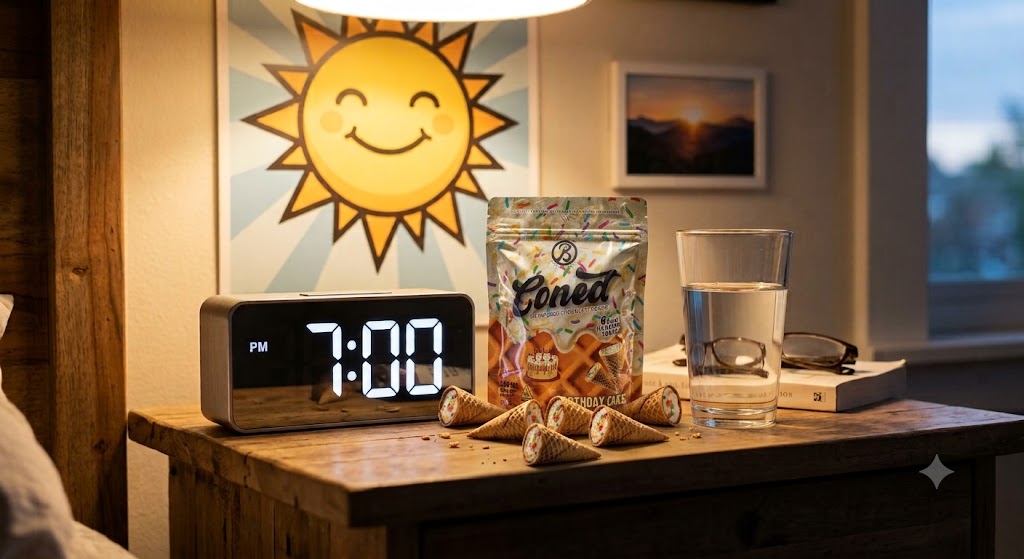
The easiest hangover-prevention move — one that doesn’t require changing your dose at all — is simply to take your edible earlier in the evening. Give your body a solid six to eight hours between consumption and when you actually want to feel sharp and clear-headed. That window allows enough metabolic runway for the majority of the dose to process, leaving minimal residue for the morning.
If you’re someone who enjoys a late-night edible and consistently wakes up groggy, shifting your timing back by just two hours can make a night-and-day difference — literally.
The Sleep Quality Trap
THC is famous for helping people fall asleep. Plenty of folks order edibles from online shops like bakedpockets.com specifically for that reason — to quiet a racing mind and slide into rest without the usual wrestling match. On that front, THC delivers. The lights go out faster, and staying asleep often feels easier.
The catch — and it’s a significant one — is that high doses of THC can suppress REM sleep. REM is the dream-heavy phase where a substantial chunk of overnight cognitive recovery happens. It’s the stage where your brain processes emotions, consolidates memories, and essentially runs its nightly maintenance routine.
When THC suppresses REM, you might sleep nine hours and still wake up feeling like you slept six. The hours were logged. The body was horizontal. But the quality — the deep, restorative restoration — was compromised. That shortfall shows up as morning fog, sluggish thinking, and a feeling of being under-rested even though you technically got a full night.
This is the sleep quality trap, and it’s sneakier than straightforward residual THC because you can’t feel it happening. You went to bed, you stayed asleep, the clock said eight hours — yet the morning feels heavy anyway.
Lower doses, especially formulations that combine modest THC with CBD or CBN, tend to dodge this issue more gracefully. The sleep-promoting benefits remain without the REM suppression that comes from heavier cannabinoid loads.
Dehydration: The Overlooked Culprit
Cottonmouth during the high is the obvious, immediate sign that THC is affecting your body’s hydration balance. But the dehydration doesn’t politely end when the high does. If you went to bed without drinking water — and let’s be honest, many people do — you woke up several hours into a slow, quiet dehydration cycle. That alone is enough to produce a hangover-like feeling entirely on its own, even without any residual cannabinoids.
Dehydration headaches, brain fog, fatigue, and that general “blah” sensation are all classic symptoms that overlap almost perfectly with what people describe as an edibles hangover. It’s entirely possible that a meaningful percentage of self-reported edible hangovers are, in reality, just dehydration wearing a different mask.
This is also the easiest piece of the puzzle to fix. It costs nothing and takes thirty seconds. A full glass of water before bed — and another one the moment you wake up — handles a meaningful chunk of the morning roughness for a lot of people. No special supplements. No elaborate protocols. Just water, at the right moments.
If you consistently wake up foggy after edibles and you’re not hydrating before sleep, start there before changing anything else about your routine. You might be surprised how much of the “hangover” simply evaporates with proper hydration.
How Long Does the Fog Usually Last?
Here’s the good news, and it’s part of why the debate about whether the edibles hangover is “real” exists in the first place. Even when it does show up, it doesn’t stick around very long.
The fog tends to clear within two to three hours of waking for most people. Coffee helps — caffeine is a reliable counterpunch to grogginess. Food helps — getting some calories into your system kickstarts metabolism and sharpens mental clarity. Movement helps — even a short walk or a shower signals to your body that the rest period is officially over. Once you’re up and operating, the morning catches up with you pretty quickly, and the sluggishness fades into the background.
Compare that to an alcohol hangover, which can enthusiastically ruin an entire day — complete with pounding headache, nausea, light sensitivity, and a deep, existential fatigue that lingers well into the afternoon. The edibles version is honestly mild by comparison. It’s annoying for a couple of hours and then it’s gone, leaving behind little more than a faint memory and maybe an extra appreciation for your morning coffee.
This short duration is exactly why some people argue the hangover isn’t real. From their perspective, a couple hours of mild grogginess doesn’t qualify. From the perspective of someone who needs to be sharp at 8 AM, it absolutely does. Both views are understandable. The truth is simply that the experience is real but brief.
Practical Moves That Make Mornings Smoother
Once you understand the variables — dose size, timing, sleep quality, hydration — prevention becomes refreshingly straightforward. Most of the moves cost nothing, require no special products, and can be implemented tonight.
The standard prevention stack that works for the vast majority of edible consumers:
– Take the dose at least six hours before you want to be at full speed.
This gives your body adequate time to process the bulk of the cannabinoids while you sleep, leaving minimal residue for the morning.
– Stick to a moderate dose on weeknights.
Something in the 5 to 15 mg range provides a satisfying experience without overwhelming your system’s overnight processing capacity. Save the heavier explorations for weekends when a slow morning isn’t a problem.
– Drink a full glass of water before bed.
This single habit alone can eliminate a significant portion of next-day grogginess, and it’s so simple it’s almost embarrassing to keep mentioning — but it works.
– Avoid combining with alcohol.
THC and alcohol amplify each other’s effects, and the combination stacks the morning-after consequences significantly. If you’re going to have an edible, keep the drinks to a minimum, or skip them entirely.
– Eat something in the morning.
Breakfast kickstarts your metabolism and helps your body finish processing anything that might still be lingering. Even something small — a piece of toast, a banana — makes a difference.
Run that stack consistently, and the morning-after fog basically disappears for most people. The edibles hangover is real in the sense that it can happen, but it’s also one of the most dodgeable hangovers out there. A few small adjustments to timing and hydration, and you can enjoy your edibles without paying for them the next day.
Why Clearly Labeled Doses Change Everything
The honest secret to never having an edibles hangover — or at least keeping it so mild it barely registers — is knowing exactly what you took. When you have a precisely labeled, lab-tested dose, timing and dosing become an actual plan instead of a guessing game.
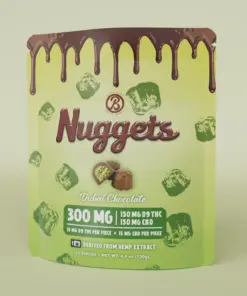
This is where the Baked Pockets approach makes a tangible difference. Every product in the lineup carries a clear milligram count per piece, which means you always know exactly how much THCa you’re consuming. You’re not estimating. You’re not crossing your fingers. You’re working with real numbers that let you dial in your ideal dose and your ideal timing.
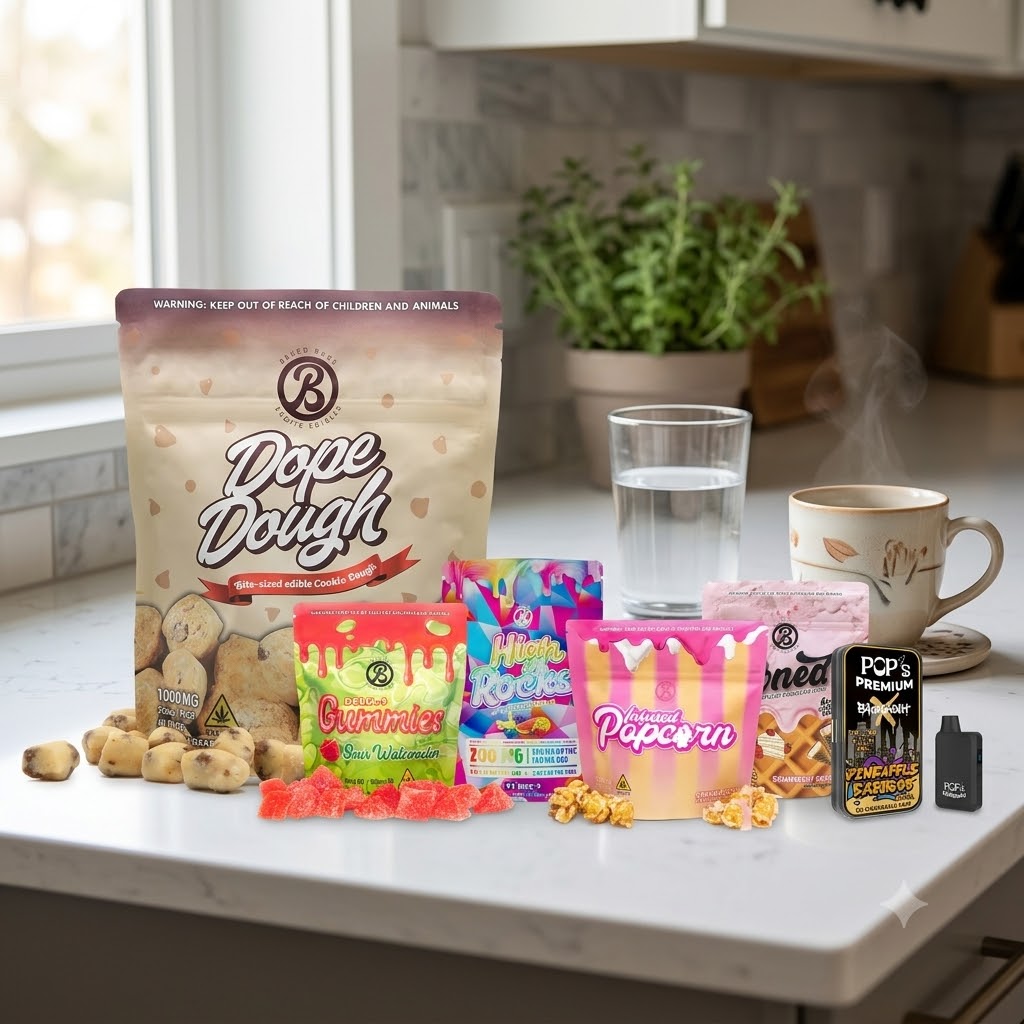
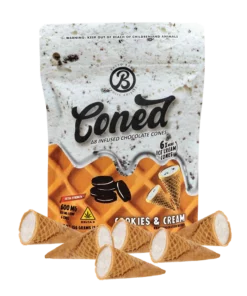
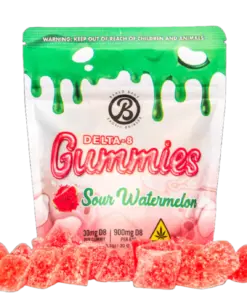
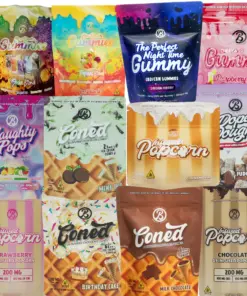
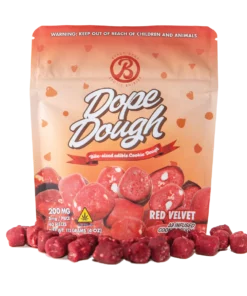
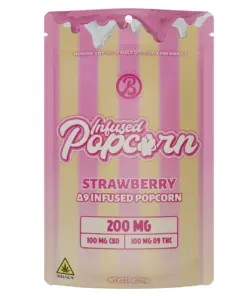
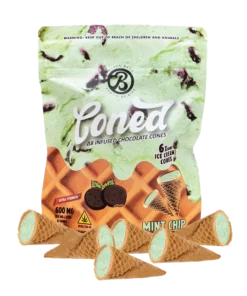
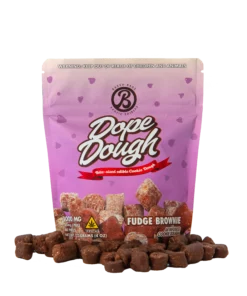
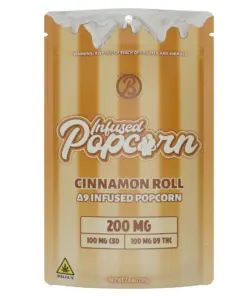
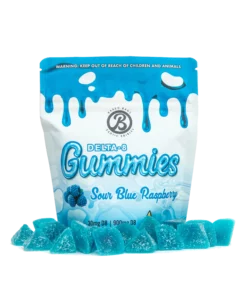
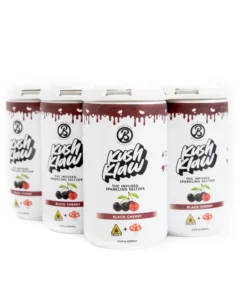
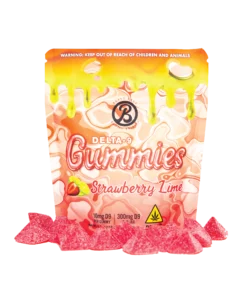
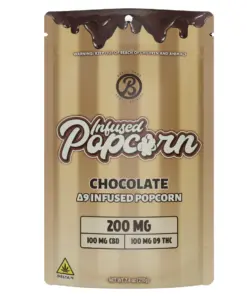
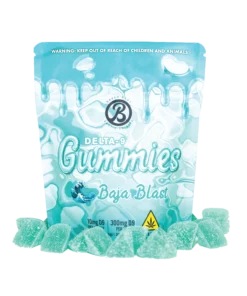
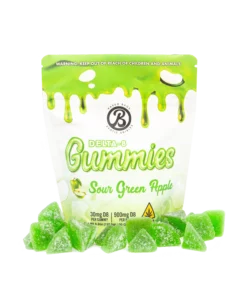
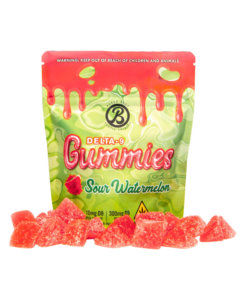
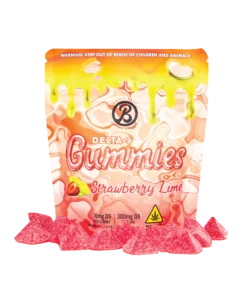
Browse the classic Gummies collection for clean, reliable per-piece dosing that makes moderation effortless. Reach for Dope Dough when cookie dough is the move and you want a dose you can count on. Explore the Cones assortment for chocolate-format options that deliver consistent experiences. Grab from the Variety Pockets if you want to sample different formats and figure out which one leaves you feeling freshest the next morning. And if infused Popcorn or Kush Klaw calls your name, those carry the same transparency promise.
Smart dosing leads to smooth mornings. BakedPockets gives you the clarity to make that happen.
Frequently Asked Questions
Q) Is the edibles hangover actually real?
A) Yes, though it’s better described as a mild carryover effect than a true hangover. High doses, late-night consumption, dehydration, and REM sleep suppression can all contribute to next-day grogginess that typically clears within a few hours.
Q) How is an edibles hangover different from an alcohol hangover?
A) An alcohol hangover involves dehydration, inflammation, and toxic byproducts like acetaldehyde, causing headaches, nausea, and full-day misery. An edibles hangover is softer — mild brain fog, slight fatigue, and general slowness without the physical punishment.
Q) What dose of edibles is likely to cause a next-day hangover?
A) Effects vary by individual, but doses above 20-30 mg taken late at night are more likely to produce morning grogginess. Moderate doses in the 5-15 mg range rarely cause next-day effects for most people.
Q) How can I prevent waking up groggy after edibles?
A) Take your edible at least six hours before you need to be sharp, stick to moderate doses on weeknights, drink a full glass of water before bed, avoid alcohol, and eat breakfast in the morning to kickstart your metabolism.
Q) Does the type of edible affect hangover severity?
A) The format matters less than the dose and timing. A 10 mg gummy, cone, or piece of Dope Dough from Baked Pockets carries the same hangover potential — what matters is the milligram count and when you consumed it.
Q) How long does the edibles hangover last?
A) For most people, the morning fog clears within two to three hours after waking. Coffee, water, food, and light movement all help accelerate the process.
Q) Can CBD or CBN help reduce next-day grogginess?
A) Lower-THC formulations that include CBD or CBN may support sleep quality with less REM suppression, potentially reducing next-day fatigue. However, the primary factors remain dose size and timing.
Q) Why do I feel more tired after edibles even though I slept through the night?
A) High doses of THC can suppress REM sleep, the restorative phase responsible for cognitive recovery. You may have logged enough hours but missed the quality sleep your brain needed to feel fully refreshed.
DISCLAIMER
The information provided in this article is for educational purposes only. THCa products should only be consumed by adults of legal age in their respective jurisdiction. Always start with a low dose, read all product labeling carefully, and adhere to local laws regarding hemp-derived products. BakedPockets products undergo third-party lab testing and are intended for responsible adult consumption only. These statements have not been evaluated by the Food and Drug Administration. This product is not intended to diagnose, treat, cure, or prevent any disease.
























300,000+ HAPPY CUSTOMERS!