
-
×
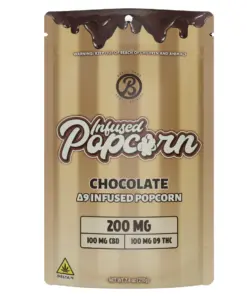 Limited Release - Chocolate Caramel Popcorn 1:1 THC:CBD
$24.99
Limited Release - Chocolate Caramel Popcorn 1:1 THC:CBD
$24.99 -
×
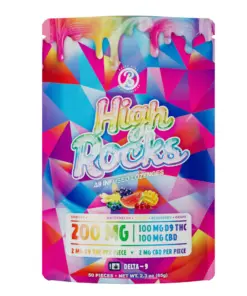 Infused Lozenges
$24.99
Infused Lozenges
$24.99 -
×
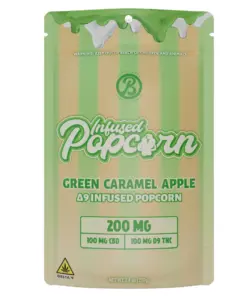 Limited Release - Green Caramel Apple Popcorn 11 THC CBD
$29.99
Limited Release - Green Caramel Apple Popcorn 11 THC CBD
$29.99 -
×
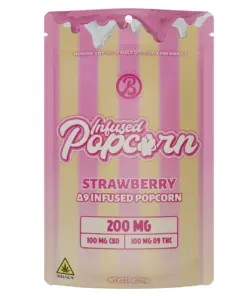 Limited Release - Strawberry Caramel Popcorn 1:1 THC:CBD
$29.99
Limited Release - Strawberry Caramel Popcorn 1:1 THC:CBD
$29.99 -
×
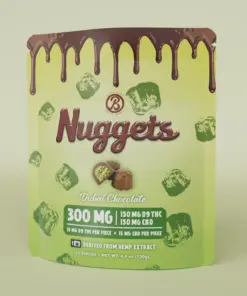 DUBAI CHOCOLATE NUGGETS
$34.99
DUBAI CHOCOLATE NUGGETS
$34.99 -
×
 Baby J's: Jungle Juice - 5 x 0.7g
$29.99
Baby J's: Jungle Juice - 5 x 0.7g
$29.99 -
×
 Baby J's: Warheadz - 5 x 0.5g
$29.99
Baby J's: Warheadz - 5 x 0.5g
$29.99

Delta 8, Style, THC Gummies, THCa
Cannabis Edibles Explained: Effects, Benefits, and Safe Use
Let’s start with the basics, plain and simple. Cannabis edibles are exactly what they sound like — food products infused with cannabinoids, the active compounds found in cannabis. They show up in a wildly creative range of formats: soft gummies, rich squares of cookie dough, chocolate-dipped cones, seasoned popcorn, chewy candies, baked treats, and even sparkling beverages. If you can eat it or drink it, someone has probably figured out how to infuse it.
TABLE OF CONTENTS
-
What Are Edibles, Really?
-
The Edible Experience: What to Expect
-
Potential Benefits of Edibles
-
The Other Side: Possible Downsides
-
Edibles vs. Smoking: How They Compare
-
Smart Sipping and Snacking: Enjoying Edibles Responsibly
-
Frequently Asked Questions
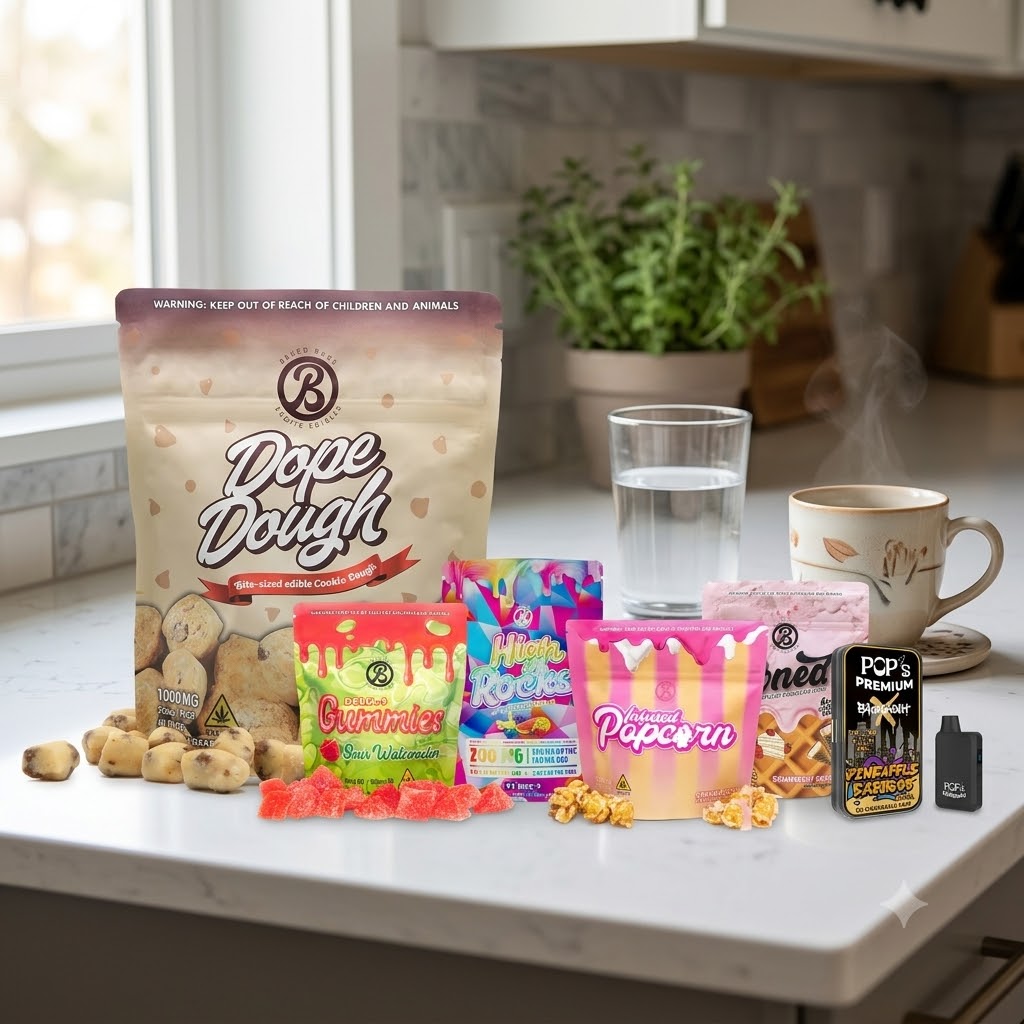
At bakedpockets, you’ll spot many of these forms across categories like Gummies, Dope Dough, Cones, Popcorn, and Variety Pockets — all designed to deliver a reliably dosed, enjoyable experience without any guesswork.
People reach for edibles for all kinds of reasons. Some are chasing that signature euphoric lift — the “high” that cannabis is famous for. Others are looking for a gentle unwind after a long day, a way to quiet a racing mind, or relief from stubborn discomfort. The beauty of the edible format is how approachable it feels. No smoke, no vapor, no special equipment. Just a snack and a little patience.
But “what edibles do” isn’t a one-sentence answer. The effects depend heavily on dose, personal tolerance, the specific cannabinoid blend, and even what you ate for dinner. In this guide, we’ll walk through the full picture — what to expect, what benefits are backed by early science, what risks to watch for, and how edibles stack up next to smoking.

The Edible Experience: What to Expect
Before diving into benefits and side effects, it helps to paint a clear picture of what the edible journey actually feels like. Because if you’ve only ever smoked or vaped, edibles can feel like a completely different animal.
The Onset: Patience Required
Unlike inhalation, which hits within minutes, edibles take their time. You’re looking at anywhere from 30 minutes to 2 hours before effects fully bloom. This delay is the reason behind the classic rookie mistake — eating more because “it’s not working,” only to get launched far beyond where you intended. With edibles, patience isn’t just a virtue; it’s the whole game plan.
The Peak: A Gradual Build
Once the edible does kick in, the climb feels slower and smoother than smoking. Rather than a sudden head rush, most people describe a wave that builds steadily. The peak might stretch over a couple of hours, delivering a full-bodied sensation that can feel heavier, more physical, and more immersive than other consumption methods.
The Duration: A Longer Ride
Here’s where edibles really stand apart. While a smoke session might wrap up in 1-2 hours, an edible experience commonly lasts 4-6 hours, sometimes longer. The residual effects can even linger into the next morning if you’ve taken a particularly hefty dose. This longevity is a blessing if you’re settling in for a movie marathon, and a reason to plan carefully if you have early obligations.
The Character of the High
Because your liver converts THC into a more potent metabolite called 11-hydroxy-THC, many people find the edible high feels deeper, more sedating, and more body-centered. It’s less “heady buzz” and more “full-body calm.” This makes edibles especially popular for evening relaxation, pain relief, and sleep support.
Potential Benefits of Edibles
Cannabis edibles have the same fundamental properties as other cannabis formats. People choose them to achieve specific effects — relaxation, a brighter mood, relief from stubborn aches — or to dial down symptoms that make daily life harder. Below are some areas where research has started to connect the dots, always with the caveat that more studies are needed.
A Sense of Calm and Relief from Everyday Tension
One of the most common reasons people reach for an edible is simply to feel less wound up. A 2019 study involving adults dealing with anxiety or sleep difficulties found that over 79% experienced a decrease in symptoms after taking CBD, a non-intoxicating cannabinoid. Another smaller study focused on teenagers with social anxiety found similar encouraging signals.
It’s worth noting that these studies centered on CBD alone. The cannabis plant contains a full orchestra of compounds, including THC, which can encourage relaxation at lower doses but might spark anxiety or paranoia at higher levels. That’s why dialing in your personal dose matters so much. Starting low and going slow helps you land in that soothing sweet spot without overshooting into discomfort.
Managing Persistent, Nagging Pain
CBD also wears a pain-reliever hat, alongside anti-inflammatory properties that make it appealing to folks dealing with chronic pain. A 2018 review pointed to medical cannabis helping people manage long-term pain by reducing symptom intensity and improving sleep quality — two things that often go hand in hand. When sleep improves, everything else tends to follow.
For someone dealing with daily stiffness or recurring discomfort, an edible can offer hours of steady relief without needing to re-dose constantly, which is a major advantage over faster-fading formats.
Supporting Neurological Conditions Like MS
Multiple sclerosis is a chronic autoimmune condition that messes with the nervous system, leading to muscle spasms, tremors, nerve pain, and bladder issues. A 2022 review of existing research found that most trials involving cannabis for MS turned up positive results. Specifically, oral cannabinoids appeared to reduce both pain and spasticity — that tight, stiff muscle sensation that can make movement difficult.
While this area of research is still growing, the consistency of findings so far gives people living with MS another potential tool to discuss with their healthcare team.
Reducing Seizure Activity
Some of the strongest evidence for medical cannabis comes from the world of epilepsy. A 2017 study noted that researchers were closing in on firm proof that cannabis-based treatments could help certain types of epilepsy. However, it’s crucial to distinguish between carefully formulated, pharmaceutical-grade products and the nonmedical cannabis someone might use in a homemade edible. A 2023 review stressed that high-quality research on nonmedical cannabis for seizures remains thin. Anyone considering cannabis for seizure management should be working closely with a specialist, not experimenting solo.
Easing Cancer and Treatment Side Effects
People navigating cancer sometimes turn to cannabis to take the edge off treatment-related misery — pain, sleeplessness, nausea, and the kind of appetite loss that makes eating feel like a chore. While anecdotal reports are widespread, a 2022 review highlighted that there are still significant knowledge gaps around how cannabis might interact with cancers themselves or with treatments like immunotherapy. Some evidence even suggested cannabis could reduce the effectiveness of certain cancer therapies.
If you or someone you care about is dealing with cancer, an open conversation with an oncologist is non-negotiable before adding cannabis to the picture.
The Other Side: Possible Downsides
Edibles are often seen as the “safer” cannabis option, and in some ways that reputation holds up. But they’re not without risks. Understanding the downsides helps you navigate them before they become problems.
Mental Fog and Cognitive Shifts
Regular, heavy cannabis use has been linked to changes in thinking skills like attention and memory. The evidence isn’t fully settled on whether these effects stick around after someone stops, but it’s worth keeping in mind. Cannabis can also trigger anxiety in some people, worsen symptoms in those predisposed to schizophrenia, and lead to cannabis use disorder — a pattern where stopping becomes difficult.
For adolescents, the stakes are higher. A 30-year longitudinal study found associations between early, frequent cannabis use and an increased risk of depression, anxiety, and suicidal thoughts in adulthood. Younger users also appear more vulnerable to disruptions in learning and memory. This is exactly why responsible adult use and keeping products away from minors is so essential.
When Edibles Land in the Wrong Hands
Because edibles look — and often taste — like regular snacks, they pose a unique accidental ingestion risk. A colorful gummy or a chocolate-dipped cone left on the counter can look irresistible to a child or a pet. This isn’t a hypothetical danger; it’s a real one that demands secure storage, clear labeling, and treating edibles with the same caution you’d apply to any substance that shouldn’t be within reach of curious hands.
Interactions with Medications and Alcohol
Cannabis doesn’t exist in a vacuum inside your body. It can interact with alcohol, amplifying impairment in ways that make activities like driving especially dangerous. It can also interfere with how certain prescription medications work, either intensifying side effects or reducing the medication’s effectiveness. If you’re taking anything regularly — especially blood thinners, antidepressants, or seizure medications — a conversation with your doctor or pharmacist is a smart move.
Taking Too Much: Cannabis Overdose or “Greening Out”
Overdose in the cannabis world looks nothing like the life-threatening emergencies associated with opioids or alcohol. But it’s still deeply unpleasant and can be terrifying in the moment. Cannabis poisoning — sometimes called “greening out” — is more common with edibles than with smoking, and the reasons are baked into the format.
First, edibles have relatively low bioavailability, meaning your body doesn’t absorb cannabinoids as efficiently as it does through inhalation. Combine that with the wide variability in nonmedical products, and it’s easy to miscalculate your dose. Second, that long onset time — 1 to 3 hours — tempts people to take more before the first dose has even arrived. The result is a compound effect that can hit like a freight train.
Symptoms of taking too much include:
-
Nausea and vomiting
-
Paranoia and racing thoughts
-
Hallucinations
-
Panic attacks
-
Impaired coordination and mobility
The experience is temporary, but it can feel endless while it’s happening. The antidote is simple: time, a calm environment, hydration, and if possible, a trusted person to sit with you. And the best prevention is a clearly labeled, lab-tested dose from a source you trust — like the precisely dosed edibles at bakedpockets.com.
Edibles vs. Smoking: How They Compare
Many folks consider edibles to be the gentler, healthier alternative to smoking cannabis. On the lung-health front, that’s largely true.
Cannabis smoke shares a lot of toxicological real estate with tobacco smoke. Both contain carcinogens and respiratory irritants. Smoking cannabis has been linked to bronchitis and other lung issues. Edibles sidestep all of that entirely because nothing enters your lungs.
However, switching to edibles trades one set of risks for another. The delayed onset makes accidental overconsumption more likely. The longer duration means consequences stick around longer if you’ve overdone it. And the innocent appearance raises the stakes for accidental ingestion by kids or pets.
Neither format is “risk-free.” The choice comes down to personal preference, lifestyle, and which set of risks you’re more comfortable managing.
Smart Sipping and Snacking: Enjoying Edibles Responsibly
Most of the common edible pitfalls are completely avoidable with a few simple habits. None of this requires heroic discipline — just a little awareness and planning.
Start Low and Go Slow
If you’re new to edibles or trying a new product, begin with a small dose — often 2.5 to 5 mg of THC — and wait at least two full hours before even considering more. You can always take more next time, but you can’t un-take what’s already in your system.
Read Labels Carefully
A clearly labeled product tells you exactly how many milligrams are in each piece. This takes the guesswork out of dosing and makes it possible to track what works and what doesn’t. Every item in the Baked Pockets lineup carries transparent milligram counts so you always know what you’re consuming.
Time Your Session Thoughtfully
Because edibles last 4 to 6 hours (or longer at high doses), think about when you’re taking them. An early evening dose gives you plenty of time to enjoy the peak and still wake up clear-headed. Late-night consumption raises the odds of morning grogginess.
Store Products Securely
Treat edibles like any other substance that shouldn’t be accessed by children or pets. Keep them in their original packaging, out of sight, and ideally in a locked cabinet. Baked Pockets products arrive in resealable, child-resistant packaging designed to support safe storage.
Stay Hydrated
It sounds almost too simple, but drinking water before, during, and after your edible experience can meaningfully reduce next-day fog and help your body process everything more smoothly.
Avoid Mixing with Alcohol
THC and alcohol amplify each other’s effects, often in unpredictable ways. The combination can quickly turn a pleasant buzz into a nauseating spin. If you’re going to consume edibles, consider making it an alcohol-free evening.

Frequently Asked Questions
Q) What are the most common effects of cannabis edibles?
A) The effects typically include deep relaxation, mild euphoria, altered sensory perception, increased appetite, and in higher doses, significant sedation. The experience tends to feel more physical and longer-lasting than smoking.
Q) How long does it take for edibles to kick in?
A) Onset usually ranges from 30 minutes to 2 hours, depending on metabolism, stomach contents, and the specific formulation. This is significantly slower than smoking or vaping, so patience is essential.
Q) Are there any health benefits to using cannabis edibles?
A) Early research suggests cannabis may help with relaxation, anxiety reduction, chronic pain management, MS-related spasticity, certain seizure disorders, and cancer treatment side effects. However, much of this evidence is preliminary, and more high-quality studies are needed.
Q) Can you overdose on cannabis edibles?
A) Yes, though a cannabis overdose (often called “greening out”) is not life-threatening. It can involve nausea, paranoia, panic attacks, hallucinations, and impaired coordination. The experience is temporary but deeply uncomfortable.
Q) What are the risks of eating too much?
A) Taking too much can lead to intense anxiety, vomiting, racing heart, disorientation, and in rare cases, psychotic-like symptoms. The risk is higher with edibles due to delayed onset and difficulty gauging dose.
Q) How do edibles differ from smoking cannabis?
A) Edibles take longer to hit, last much longer (4-6+ hours vs. 1-2 hours), and produce a more body-heavy, sedating high due to liver conversion of THC. They also avoid the lung irritation associated with smoking.
Q) Are edibles safer than smoking?
A) From a lung health perspective, yes — edibles don’t involve inhaling smoke. However, edibles carry higher risks of accidental overconsumption and accidental ingestion by children or pets.
Q) What should I do if I took too much?
A) Stay calm, hydrate, and rest in a comfortable, safe environment. Some people find that CBD, black pepper, or a light snack helps. The effects will pass with time, usually within a few hours. If severe symptoms occur, seek medical attention.
Q) Can I drive after taking an edible?
A) Absolutely not. Edibles impair coordination, reaction time, and judgment for hours. Never drive or operate heavy machinery under the influence of cannabis.
Q) How do I find the right dose?
A) Start with a low dose (2.5-5 mg THC) and wait at least 2 hours before assessing effects. Gradually adjust upward in future sessions until you find your sweet spot. Clearly labeled, lab-tested products like those at bakedpockets.com make this process straightforward.
Your Edible Journey, in Your Control
Cannabis edibles open the door to a completely different kind of experience — one that’s slower to arrive, richer in body sensation, and longer-lasting than any smoke session. They offer real potential benefits, from deep relaxation to meaningful symptom relief, backed by a growing (if still incomplete) body of research.
But the magic sits firmly in the details: knowing your dose, respecting the onset delay, storing products safely, and listening to what your body tells you. When those pieces click, edibles can be a genuinely joyful, reliable part of your routine.
If you’re ready to explore with clarity and confidence, Baked Pockets offers a full lineup of lab-tested, precisely dosed THCa edibles — from Gummies and Dope Dough cookie dough to Cones, Popcorn, and Variety Pockets — so you always know exactly what you’re taking and can dial in the experience that feels just right.
DISCLAIMER
The information provided in this article is for educational purposes only. THCa products should only be consumed by adults of legal age in their respective jurisdiction. Always start with a low dose, read all product labeling carefully, and adhere to local laws regarding hemp-derived products. BakedPockets products undergo third-party lab testing and are intended for responsible adult consumption only. These statements have not been evaluated by the Food and Drug Administration. This product is not intended to diagnose, treat, cure, or prevent any disease.
Price range: $24.99 through $66.99

Price range: $19.99 through $53.99
Price range: $24.99 through $66.99

Price range: $29.99 through $80.99

$29.99

$24.99
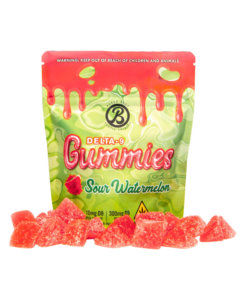
Price range: $24.99 through $66.99

Price range: $24.99 through $66.99

Price range: $19.99 through $53.99
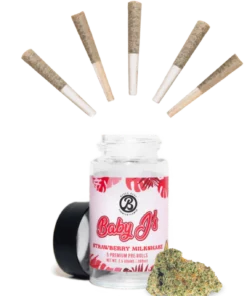
Price range: $29.99 through $79.99
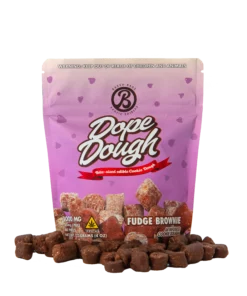
Price range: $19.99 through $53.99

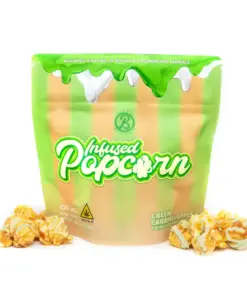

Price range: $24.99 through $66.99
-35%

Original price was: $131.00.$84.99Current price is: $84.99.
Price range: $24.99 through $66.99

-42%

Original price was: $60.00.$34.99Current price is: $34.99.
$24.99
$24.99
-21%

Price range: $34.99 through $94.99
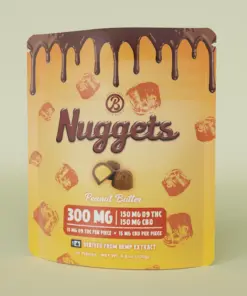
$34.99
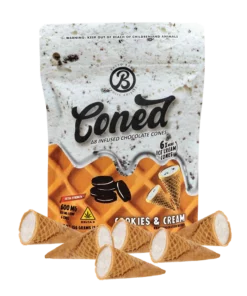
Price range: $29.99 through $80.99
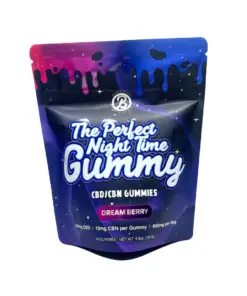
$24.99

Price range: $19.99 through $53.99

Price range: $29.99 through $80.99
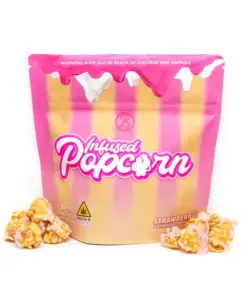
$14.99

$34.99
-38%

Original price was: $120.00.$74.99Current price is: $74.99.
$14.99
-29%

Original price was: $70.00.$49.99Current price is: $49.99.

-11%
Original price was: $45.00.$39.99Current price is: $39.99.

Price range: $29.99 through $79.99
-42%

Original price was: $60.00.$34.99Current price is: $34.99.

Price range: $19.99 through $53.99

Price range: $19.99 through $53.99
-10%
Original price was: $50.00.$44.99Current price is: $44.99.
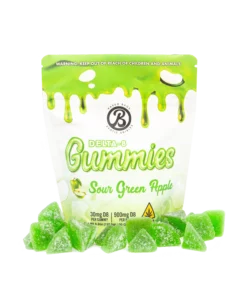
Price range: $24.99 through $66.99
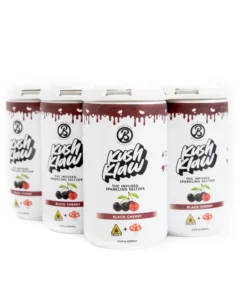
Out of stock
$29.99

Out of stock
$29.99
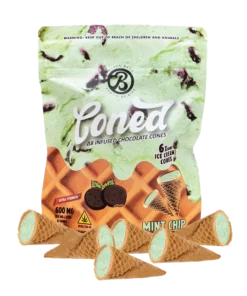
Price range: $29.99 through $80.99
-54%
Original price was: $350.00.$159.99Current price is: $159.99.
-50%

Original price was: $80.00.$39.99Current price is: $39.99.
-13%
Original price was: $40.00.$34.99Current price is: $34.99.
Price range: $24.99 through $66.99
Price range: $29.99 through $79.99

Price range: $29.99 through $80.99
300,000+ HAPPY CUSTOMERS!