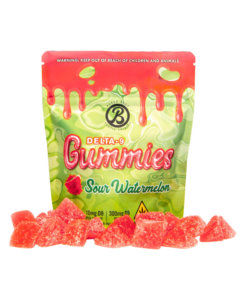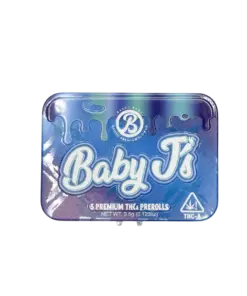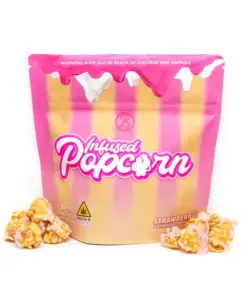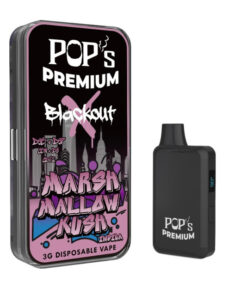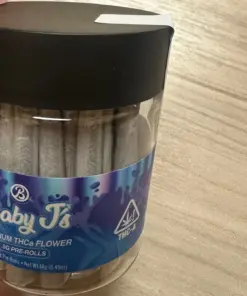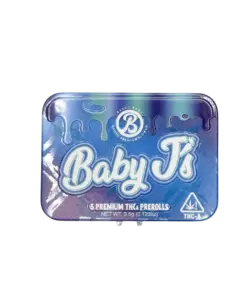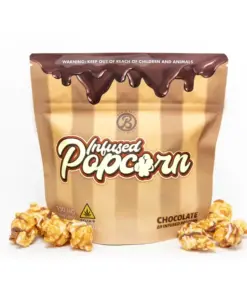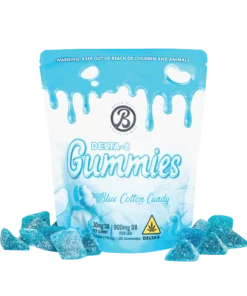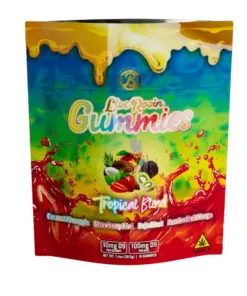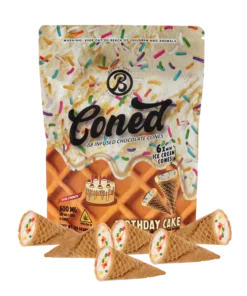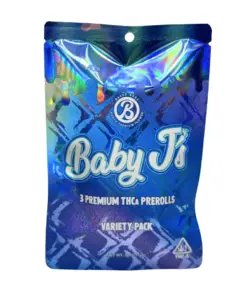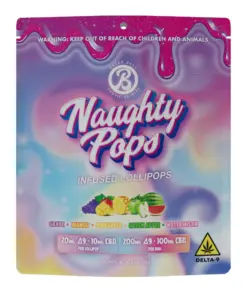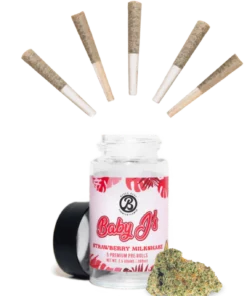
 Half Ounce Baby J's: 28 x .5g Pre-Rolls in Jar - Gelonade
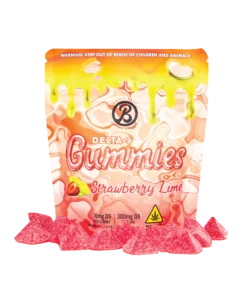
Delta 8, THC Gummies
THC Drinks vs. Edibles: Which One Actually Delivers the Experience You Want?
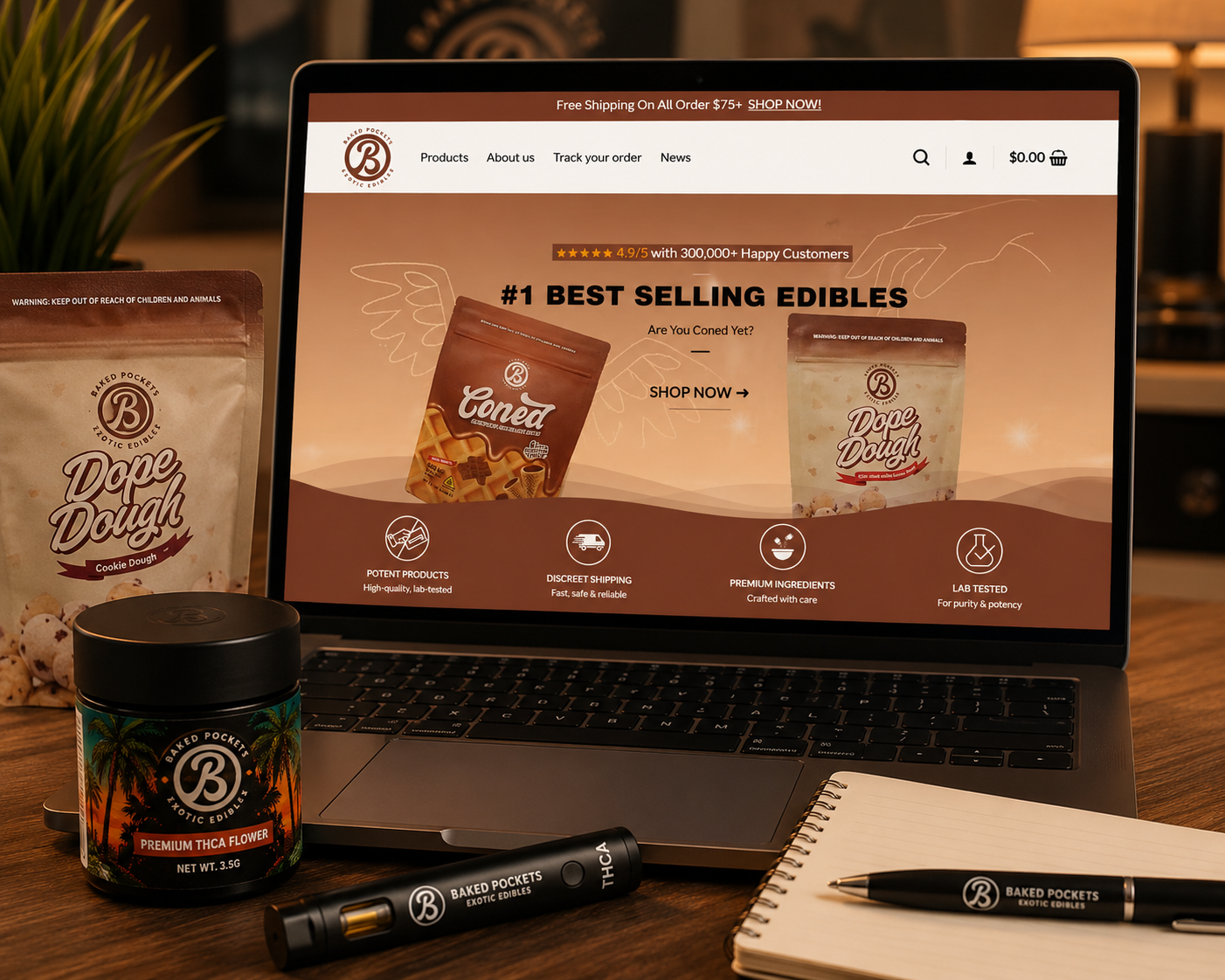
Browse any online cannabis shop these days — including the curated lineup at bakedpockets — and THC beverages are impossible to miss. They’ve carved out shelf space for one specific reason: they’ve shortened the waiting game that traditional edibles have always asked consumers to play.
TABLE OF CONTENTS
- The One Question THC Drinks Actually Answer
- Your Digestive System Has a Say in the Timeline
- Nano-Emulsification: Tiny Droplets, Big Difference
- A Fast Entrance Doesn’t Equal a Stronger High
- Why Drinks Tend to Leave the Party Early
- The Hidden Risk in Every Sippable Can
- Snacking vs. Sipping: What You’re Really Choosing
- How Your Last Meal Shapes the Whole Ride
- Group Settings: What Actually Works
- The Bottom Line: Speed vs. Satisfaction
- Your Questions, Answered
The One Question THC Drinks Actually Answer
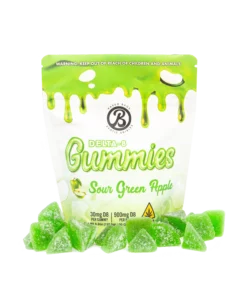
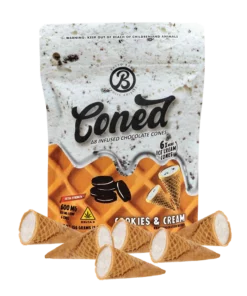
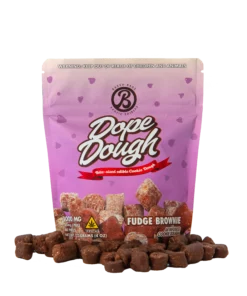
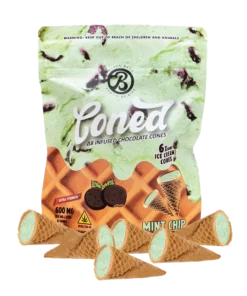
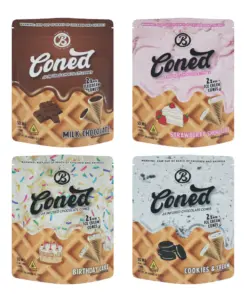
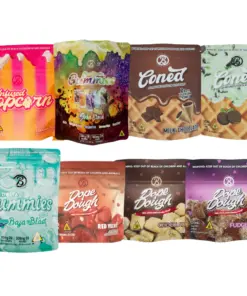
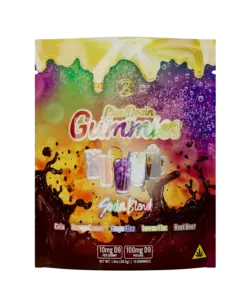
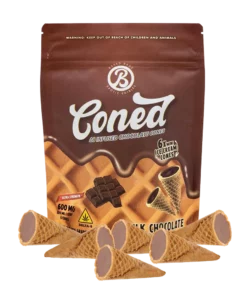
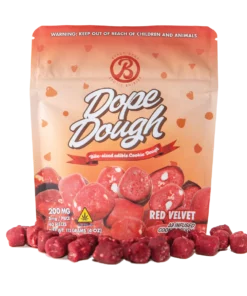
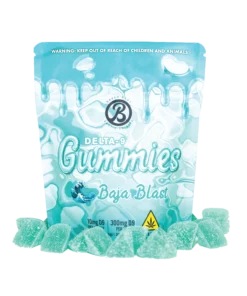
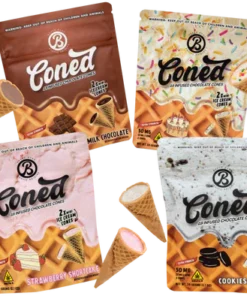
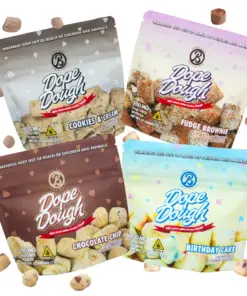
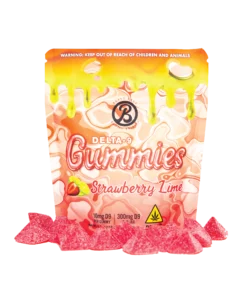
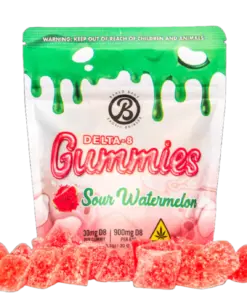
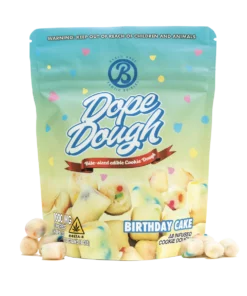
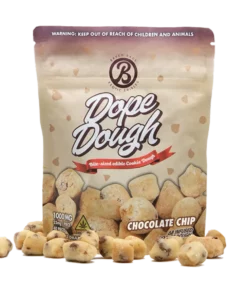
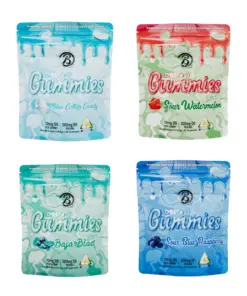
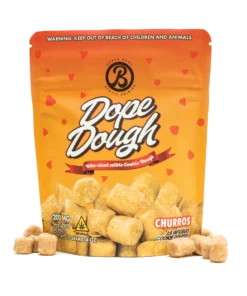
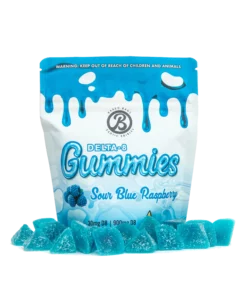
Here’s the familiar scenario. You place an order for gummies, Dope Dough, or infused cones, the package lands at your door, you try a dose, and then nothing happens. You check your phone. Still nothing. Forty-five minutes dissolve into an hour. Maybe you wonder if the product was properly dosed. Maybe you consider taking more — never the right call, by the way. Then somewhere between 60 and 90 minutes, the effects quietly arrive, often stronger than anticipated.
That waiting window is the pain point THC drinks claim to solve. And they do, to a degree. Beverages formulated with modern extraction technology can sidestep portions of the digestive marathon, delivering effects in a tighter 15-to-30-minute band for many users. If speed is the only metric that matters to you, drinks win on paper.
But online shoppers browsing BakedPockets aren’t typically looking for the fastest possible onset and nothing else. They’re browsing categories like Baby J’s, Kush Klaw, Popcorn, Variety Pockets, and Dope Dough because the experience matters — flavor, texture, satisfaction, and a high that feels like a treat rather than a transaction. So the real discussion isn’t whether drinks hit faster. It’s whether faster actually serves what you want from a THCa product in the first place.
Your Digestive System Has a Say in the Timeline
Let’s walk through what actually separates a sipped cannabinoid from a chewed one, because the mechanism matters when you’re deciding where to spend your money online.
Traditional edibles — whether they’re soft gummies, chocolate-dipped cones, squares of cookie dough, or crunchy popcorn — enter your body through the same route as any other food. Chewing starts the mechanical breakdown. Stomach acids and enzymes continue the job. From there, cannabinoids travel to the small intestine for absorption, then make a mandatory pit stop at the liver.
That liver visit is the plot twist most casual consumers don’t know about. Your liver chemically transforms delta-9-THC into 11-hydroxy-THC, a metabolite with a reputation for being both more potent and more sedating than the original compound. This conversion process is why edibles can feel like a completely different drug compared to vaping or smoking — heavier in the body, longer in duration, more immersive.
Drinks partially route around this bottleneck. Liquid formulations, especially those using advanced emulsification (more on that shortly), allow for absorption through the soft tissues of the mouth and the stomach lining before liver processing fully kicks in. Some THC enters circulation in its original form, creating a quicker signal to the brain.
And the result?
Beverages often produce effects in 15 to 30 minutes compared to the 45-to-90-minute range typical for solid edibles. But that number shouldn’t be treated as a scoreboard where lower automatically wins. Sometimes a slower unfolding is precisely what the occasion calls for.
Nano-Emulsification: Tiny Droplets, Big Difference
If you’ve spent any time shopping online for fast-acting cannabis products, you’ve encountered the term “nano” — nano-emulsified, nano-infused, nano-anything. It sounds like marketing jargon, but the science backing it is legitimate.
Raw THC is stubbornly hydrophobic. Mix it into water-based liquids and it separates like oil in salad dressing, forming large droplets that your body struggles to process efficiently. The result is inconsistent dosing (one sip might contain far more THC than another) and sluggish onset because your digestive system has to break apart those large oil clusters before accessing the cannabinoids inside.
Nano-emulsification tackles this head-on. Manufacturers use high-shear mixing equipment and specialized emulsifiers to shatter THC oil into particles measured in nanometers — thousands of times smaller than the width of a human hair. These microscopic droplets stay suspended evenly throughout the liquid, meaning every sip delivers a consistent dose.
More critically for the onset conversation, tiny droplets present exponentially more surface area to your body’s absorption machinery. Imagine trying to dissolve a single large ice cube versus a handful of crushed ice. The crushed ice disappears faster because more of its surface touches the surrounding liquid. Nano-emulsified THC works on the same principle inside your body.
This technology explains why a 10 mg beverage and a 10 mg traditional edible can land on completely different timelines. The milligram count is identical. The delivery architecture is night and day
A Fast Entrance Doesn’t Equal a Stronger High
The mind plays a reliable trick with cannabis edibles: equating rapid onset with increased potency. It’s an understandable mistake, but it leads to sloppy dosing decisions.
Consider two products, both delivering 10 mg of THC. The beverage version hits your bloodstream in a sharper wave. You notice it within 20 minutes, and the sensation ramps up noticeably over the next 10 to 15 minutes. Your brain interprets this steep climb as “this is a strong product.”
The gummy version takes 75 minutes to fully manifest. The climb is gradual, almost imperceptible at first, building slowly across an extended window. Your brain reads this gentle slope as “this is a mild product.”
Objectively, both delivered precisely 10 mg. The molecules don’t multiply inside a can. The subjective intensity you feel is a function of the timeline shape, not the dose size. A rapid rise creates a dramatic perception. A gradual rise creates a subtle one. Neither reflects actual potency.
This distinction matters when you’re shopping online and comparing products. Don’t let fast onset seduce you into assuming a product hits harder at equal doses. And don’t assume a slow-building edible is under-dosed just because it takes patience. Both are doing exactly what their delivery format was designed to do.
[IMAGE: Comparison graphic showing identical 10 mg dose in two formats — a beverage with a sharp, high peak timeline graph and a gummy with a gradual, longer curve. Alt text: Timeline graph comparing 10 mg THC drink onset and duration versus 10 mg THC gummy showing different absorption curves.]
Why Drinks Tend to Leave the Party Early?
What arrives quickly also tends to depart on the same schedule. This compressed timeline is simultaneously the biggest selling point and the biggest limitation of THC beverages.
A standard cannabis drink delivers its primary effects across roughly two to three hours for most consumers. The onset is prompt, the peak arrives within the first hour, and the descent begins noticeably around the 90-to-120-minute mark. For a quick afternoon lift or a pre-dinner social window, that duration fits neatly.
Solid edibles operate on an entirely different clock. Because they travel through the complete digestive and hepatic pathway — and because that liver conversion creates 11-hydroxy-THC which has its own extended activity profile — the experience routinely spans four to six hours, sometimes longer with higher doses or fattier formulations.
Neither duration is inherently superior. A two-hour window works beautifully for a concert or a short social engagement. A five-hour window suits a long evening at home, a movie marathon, or a lazy weekend afternoon where you want the experience to stretch.
The key is matching the format to your actual plans rather than defaulting to whatever hits fastest. Baked Pockets customers browsing categories like Gummies, Cones, and Dope Dough are often seeking that longer, fuller arc — the kind of edible experience you can settle into rather than one you have to schedule around.

The Hidden Risk in Every Sippable Can
THC beverages carry a subtle consumption trap built into their very format, and it’s one worth flagging even if it makes drinks sound less appealing.
We as humans have deeply ingrained drinking habits. We finish cans. We empty bottles. We refill glasses without conscious deliberation. It’s automatic behavior, honed across decades of consuming sodas, sparkling waters, beers, and juices. When a cannabis beverage tastes good and feels refreshing, those same automatic patterns activate.
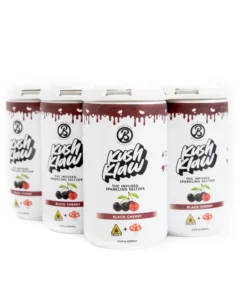
The problem unfolds predictably. Someone cracks open a 10 mg THC seltzer, sips it casually over 15 minutes, finishes the can, and only then remembers that the effects haven’t even begun yet. Twenty minutes later, the full 10 mg arrives all at once. For a low-tolerance user, that’s a recipe for an uncomfortable evening.
Solid edibles don’t trigger this autopilot behavior as readily. You eat a gummy, a piece of cookie dough, or a cone deliberately. The act feels like consumption rather than hydration. Most people don’t reflexively reach for a second edible the way they’d crack another can.
The takeaway isn’t to avoid drinks entirely. It’s to read labels with full attention before opening. Check the total THC per container, not just per serving. Note how many servings the manufacturer considers one package. And if you’re new to cannabis beverages, start with half the container and set a timer for 30 minutes before considering more.
Snacking vs. Sipping: What You’re Really Choosing
The beverage-versus-edible debate often frames the question around onset speed. But that’s a narrow lens that misses most of what makes cannabis consumption enjoyable in the first place.
Drinks deliver THC through liquid. The experience is primarily functional — a dose mechanism you swallow. Flavor might be pleasant, carbonation might add some texture, but the sensory engagement is limited. You’re drinking to receive an effect.
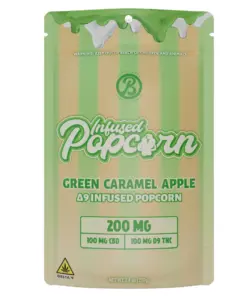
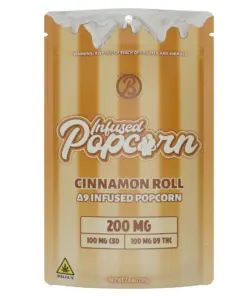
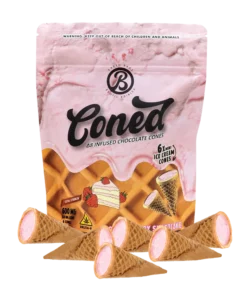
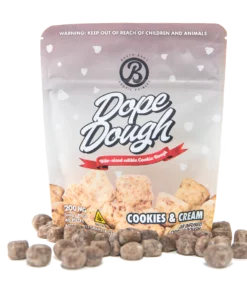
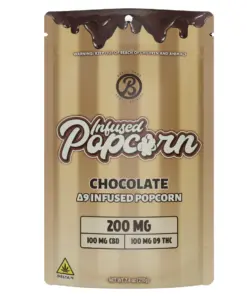
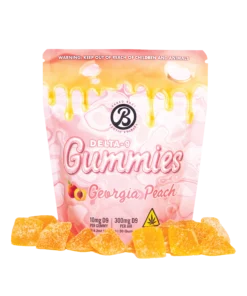
Edibles deliver THC through food, and food engages every sense that makes consumption pleasurable. The visual appeal when you open a package of Dope Dough. The aroma that rises from fresh popcorn. The snap of a chocolate cone. The chew of a well-textured gummy. The richness that lingers on your palate after the dose is swallowed.
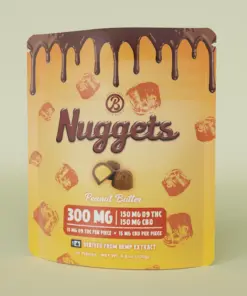
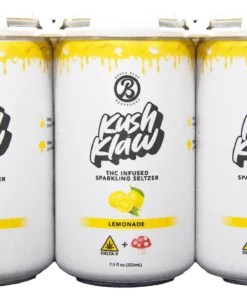
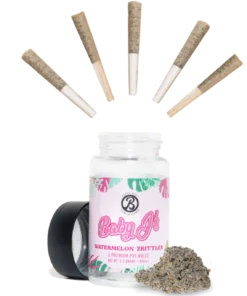
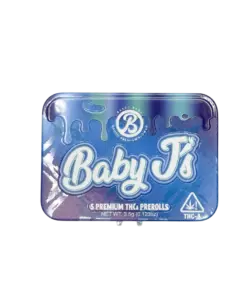
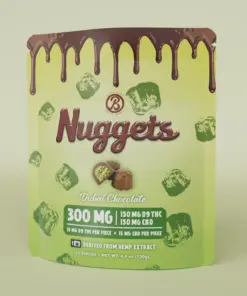
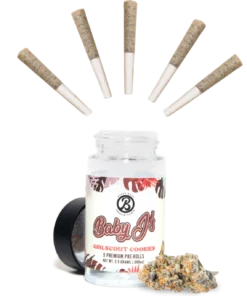
This is why categories like Baby J’s, Kush Klaw, Nuggets, and Variety Pockets exist on BakedPockets. Each format offers a different mouthfeel, a different flavor profile, a different snack moment. You’re not just buying a THC dose — you’re choosing an edible experience.
A beverage is something you consume alongside your evening. An edible from Baked Pockets becomes part of the evening itself. That distinction might sound poetic, but it translates directly into satisfaction. People remember great snacks. They rarely remember beverages they drank two weeks ago.
How Your Last Meal Shapes the Whole Ride
Here’s a variable that doesn’t get enough attention in onset conversations: your stomach contents at the moment of consumption. This factor affects drinks and edibles differently, but it affects both.
An empty stomach accelerates absorption across all formats. The cannabinoids encounter less competition, less dilution, and a faster path into circulation. For drinks, this can shave the onset window even tighter — sometimes down to the 10-to-15-minute range. For edibles, it can cut 20 to 30 minutes off the typical wait. But the tradeoff is often a harsher, more jittery come-up that some consumers find unsettling.
A stomach loaded with a heavy meal, particularly one rich in fats, stretches the timeline in the opposite direction. Digestion slows across the board. The liver processes everything more gradually. Peak effects arrive later and feel more diffuse, spread across a longer window at lower intensity.
A modest snack — something with a bit of fat, like a handful of nuts or a small serving of cheese — often creates the smoothest experience. The food provides enough substance to buffer absorption without significantly delaying it.
THC’s affinity for fats deserves special mention because it explains so much about edible formulation. Butter, oil, chocolate, and egg yolks appear repeatedly in edible recipes because lipids enhance cannabinoid absorption. This is also why many consumers report that eating a fatty meal 30 to 45 minutes after taking an edible can intensify and prolong the experience — a phenomenon worth being aware of when timing your doses.
Group Settings: What Actually Works
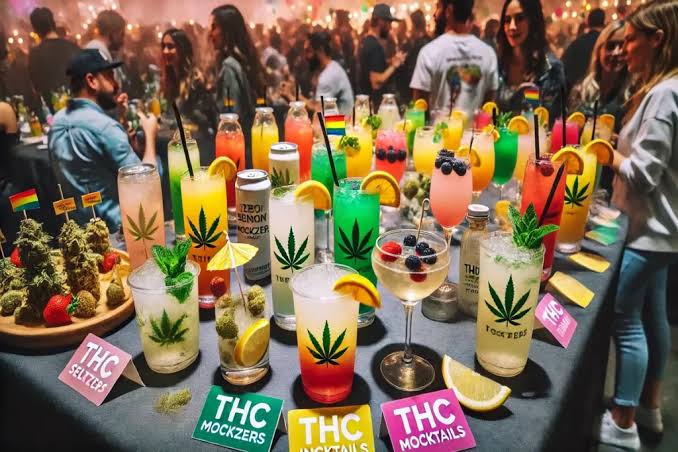
The marketing narrative around THC drinks positions them as the social cannabinoid format — the thing you hand guests when everyone wants to catch a buzz without smoking. There’s some truth to the image. A drink looks familiar. It fits into standard social scripts around beverages.
But social settings are about more than visual conformity. They’re about sharing, passing items, commenting on flavors, and turning consumption into a group activity rather than solitary intake.
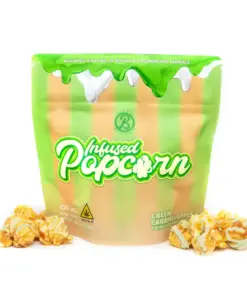
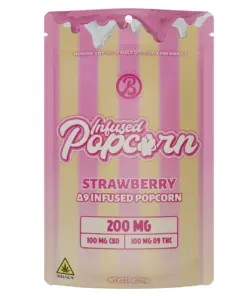
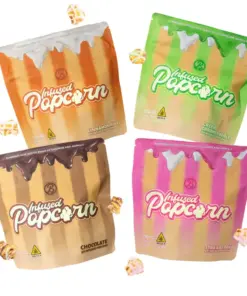
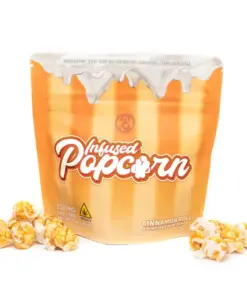
Edibles shine in this dimension. Set out a selection of gummies in different flavors. Pass around a bag of infused popcorn. Break a few cones into shareable pieces. Watch what happens — people engage. They ask which flavor you recommend. They compare notes on texture. The edible itself becomes a topic of conversation.
Drinks rarely generate that interaction. Someone grabs a can from the cooler, drinks it over 20 minutes, and that’s the extent of the social engagement. The beverage disappears into the background of the gathering rather than contributing to it.
BakedPockets’ product range is built for this exact group dynamic. Variety Pockets exist specifically so you can offer options. Popcorn practically demands to be shared. Gummies portion naturally. The whole catalog is designed around the idea that cannabis consumption can be a communal pleasure, not just a solo mission.
The Bottom Line: Speed vs. Satisfaction
Let’s pull the threads together without hedging.
THC drinks have earned their position in the market by solving one problem well: they deliver cannabinoids into your system faster than traditional food-based edibles. Nano-emulsification makes this possible, and for situations where timing is the priority — a quick lift before an event, a short social window, an afternoon where you can’t commit to a full edible timeline — drinks serve that need.
But speed extracts a price. What you gain in onset you lose in sensory richness, duration, shareability, and the simple pleasure of consuming something that tastes and feels like a genuine treat. You’re trading the edible experience for a faster clock.
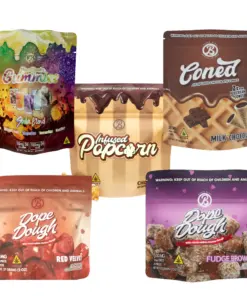
The product categories at BakedPockets — Baby J’s, Cones, Dope Dough, Gummies, Kush Klaw, Limited Pockets, Nuggets, Popcorn, Vapes, and Variety Pockets — represent the other side of that trade. These are formats built for satisfaction rather than speed. They ask for a little patience and reward it with flavor, texture, aroma, and a high that unfolds fully rather than rushing past.
The decision isn’t really “drinks versus edibles.” It’s whether this particular session calls for a rapid beverage buzz or a snackable THCa experience that feels worth the short wait.
Your Questions, Answered
Q) How quickly do THC drinks kick in compared to gummies?
A) THC drinks often produce noticeable effects within 15 to 30 minutes. Standard gummies and food edibles typically require 45 to 90 minutes due to the full digestive and liver processing pathway.
Q) What makes nano-emulsified THC absorb faster?
A) Nano-emulsification breaks THC oil into microscopic particles, dramatically increasing surface area for absorption through mouth and stomach tissues. This allows some THC to enter the bloodstream before liver processing.
Q) Does a 10 mg drink hit harder than a 10 mg edible?
A) No. The milligram dosage is identical. Drinks can feel subjectively more intense because the onset is steeper, but the actual potency doesn’t change between formats.
Q) How long do THC beverage effects typically last?
A) Most consumers experience primary effects from THC drinks for approximately two to three hours. Food-based edibles commonly last four to six hours or longer.
Q) Why are edibles more satisfying than drinks?
A) Edibles engage multiple senses — texture, chew, aroma, flavor complexity — creating a complete consumption experience. Drinks deliver THC through liquid with limited sensory engagement beyond basic taste.
Q) How does food affect THC drink and edible timing?
A) An empty stomach accelerates onset for both formats but can create a harsher come-up. A fatty meal slows absorption and can prolong effects. A light snack often produces the smoothest experience.
Q) What THCa edible formats does Baked Pockets offer?
A) Baked Pockets carries Dope Dough (cookie dough), Gummies, Cones, Popcorn, Baby J’s, Kush Klaw, Nuggets, Limited Pockets, Variety Pockets, and THCa Vapes — all available online for USA, Canada, and EU shipping.
Q) How should I choose between a THC drink and a Baked Pockets edible?
A) If speed is your sole priority, a beverage fits. If you want flavor, texture, shareability, and a longer, fuller experience, the edible lineup at BakedPockets delivers what drinks can’t.
DISCLAIMER
The information provided in this article is for educational purposes only. THCa products should only be consumed by adults of legal age in their respective jurisdiction. Always start with a low dose, read all product labeling carefully, and adhere to local laws regarding hemp-derived products. BakedPockets products undergo third-party lab testing and are intended for responsible adult consumption only. These statements have not been evaluated by the Food and Drug Administration. This product is not intended to diagnose, treat, cure, or prevent any disease.